Tonkeeper wallet is a self-custody home for TON payments and apps
The short version: Self-custody TON wallet for storing tokens, paying by QR and using dApps, with built-in swaps for GRAM and USDT on TON.
Tonkeeper wallet is a self-custody TON wallet for holding GRAM, formerly Toncoin, using USDT on TON, paying by QR code, staking, swapping tokens, viewing NFTs, and opening TON dApps from one interface. It runs across iOS, Android, Telegram, browser extensions, and Pro, while the private keys stay with the user rather than with an exchange account.
The appeal is simple: TON is built for fast, low-cost transfers, and this wallet turns that speed into everyday actions. A user receives tokens, pays a merchant, swaps into another asset, checks a collectible, or opens a service such as Getgems or STON.fi without jumping between unrelated apps. Because it is self-custody, the recovery phrase and signing flow matter as much as the polished screen.
Where GRAM, USDT, and TON activity meet
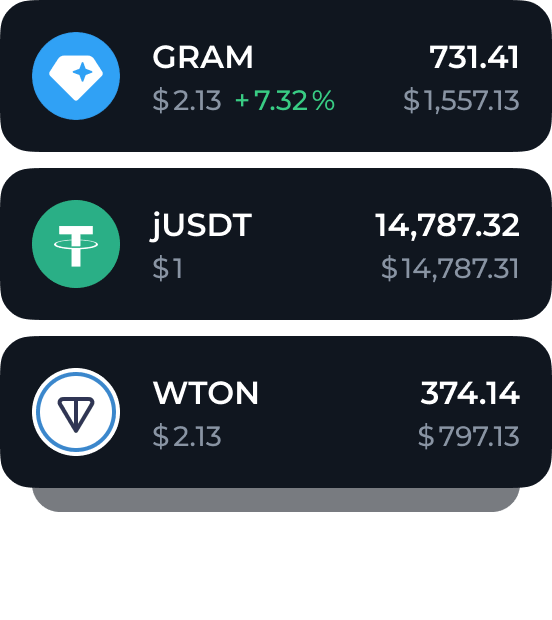
The main balance view groups TON-based assets into a personal wallet rather than a trading dashboard. GRAM works as the native asset for transfers, network fees, and staking. USDT on TON gives users a stablecoin rail inside the same ecosystem, while USDT TRC20 support on TRON matters for people moving stablecoins across older exchange and payment routes.
Tonkeeper wallet also treats payments as a first-class workflow. QR payment screens, readable addresses, and token selection reduce the chance of sending the wrong asset through the wrong path. The most important habit is to match the network shown by the sender and recipient before confirming a transfer, especially when stablecoins exist on several chains.
How swaps fit inside a self-custody app
Built-in swaps route token exchanges through decentralized liquidity rather than asking the user to move funds to a centralized venue first. The wallet presents the selected pair, estimated output, network fee, and confirmation step. When liquidity sits on a TON DEX such as STON.fi, the transaction signs from the wallet and settles on-chain.
This design keeps the wallet experience compact. Someone holding GRAM who wants USDT on TON, or a smaller TON token used by a dApp, completes the exchange from the same place used for storage. Prices still move with market liquidity, and the final confirmation screen is the moment to check the token, amount, and receiving balance.
Staking GRAM without leaving the wallet
Staking in Tonkeeper wallet focuses on GRAM holders who want their tokens to participate in TON network economics from inside a familiar app. The user chooses the staking option, reviews the amount, confirms the transaction, and watches the position from the wallet interface. Rewards accrue according to the staking setup shown in the product at the time of use.
The practical detail is liquidity. Staked assets follow the rules of the selected staking route, including any unstaking or withdrawal timing presented before confirmation. A wallet interface makes the action easier to start, but the position still follows the underlying smart-contract and validator mechanics on TON.
Paying by QR code and managing subscriptions
TON payments are most useful when they feel closer to scanning a bill than copying a long address. QR code payment support lets a merchant, app, or peer present the destination and amount in a format the wallet reads directly. Tonkeeper wallet then asks the user to confirm the token and fee before signing.
Subscriptions add another everyday layer. Instead of treating every transfer as a one-off event, the wallet includes tools for managing recurring payment relationships inside the crypto account. That suits services that bill in GRAM or another supported token and gives the user a visible place to review active commitments.
TON dApps, NFTs, and names in one route
The dApp browser gives the wallet its broader role. A user opens TON services, connects the wallet, and approves transactions without exporting keys into a separate environment. Getgems covers NFT collecting on The Open Network, TON Diamonds serves digital art and curated collections, and TON Domains lets wallet addresses resolve to human-readable names.
Those features change how addresses are used. A domain name is easier to recognize than a long string, while an NFT marketplace needs wallet signing for listing, buying, or transferring a collectible. Tonkeeper wallet becomes the signing layer for those actions, which makes connection prompts worth reading closely before approval.
Install choices across phone, Telegram, browser, and Pro
The product is available across several surfaces because TON users do not all work from the same device. Mobile apps suit QR payments and daily transfers. Browser extensions fit desktop dApps. Telegram access matches a large part of the TON audience, where usernames, channels, and wallet actions already live close together. Tonkeeper Pro gives heavier users a more advanced desktop-style environment.
Getting started follows a standard self-custody pattern:
- Install the version that matches the device and workflow.
- Create a new wallet or restore an existing one with the recovery phrase.
- Store the recovery phrase offline in the exact word order shown.
- Add GRAM or supported tokens from an exchange, peer, or another wallet.
- Test a small payment or swap before moving larger balances.
In most cases, Tonkeeper wallet works best when the same recovery discipline follows the user across every device. The app interface changes between mobile and desktop, but the account depends on the same keys and confirmations.
Security signals a user sees while signing
Self-custody shifts security into visible decisions. The wallet asks for approval when a dApp requests a connection, when a transfer leaves the address, and when a swap or staking action needs a signature. Those screens are where token amounts, destinations, and contract permissions become concrete.
Privacy is also part of the model. Creating and using the wallet does not require the same account profile that a hosted exchange collects, and keys remain under user control. That is valuable for people who prioritize self-sovereignty, but it also means a lost recovery phrase leaves no simple support reset path.
When another TON wallet or exchange account makes sense
For context, Tonkeeper wallet is strongest for users who want self-custody and direct TON ecosystem access. A centralized exchange account is easier for fiat deposits, tax exports, and customer-service recovery. Another TON wallet suits someone who prefers a different signing model, hardware setup, multisig arrangement, or developer workflow.
Inside the TON ecosystem, the choice comes down to custody, dApp access, token support, and device preference. This wallet emphasizes everyday TON use: GRAM transfers, USDT movement, QR payments, staking, swaps, NFTs, and services tied to TON names. That combination makes it a practical default for users who treat TON as more than a place to park a single token.
Things people ask about Tonkeeper wallet
Does Tonkeeper support both USDT on TON and USDT TRC20?
Yes. Tonkeeper supports USDT on TON and also references USDT TRC20 on TRON, which matters because stablecoins move across multiple networks. The key distinction is the transfer network selected by the sender and recipient. USDT sent on the wrong network will not arrive as the same asset path inside the receiving wallet workflow.
Fees on Tonkeeper swaps are paid in which token?
Swap transactions on TON require network fees, and those fees are paid with the native TON ecosystem asset shown in the wallet flow, commonly GRAM. The swap screen also reflects the exchange route and estimated output. Before signing, review the token pair, received amount, and network cost together because liquidity and fee conditions affect the final balance.
Recovering access if a Tonkeeper device is lost
Access is restored with the wallet recovery phrase on a new supported device. The phrase must be stored in the exact order shown during setup, because self-custody wallets rely on that phrase to recreate the keys. Device loss is manageable when the phrase is intact; phrase loss removes the normal recovery route.
Which TON dApps connect naturally with Tonkeeper?
TON services that use wallet signing connect naturally, including NFT and marketplace tools such as Getgems, TON Diamonds, TON Domains, and DEX activity through services such as STON.fi. The wallet acts as the approval layer. Each connection request should show what the dApp wants to read or sign before the user confirms.